Understanding Circular Supply Chains in Warehouse Operations
Circular supply chains aim to reduce waste by keeping materials, products, and equipment in use for as long as possible. In warehouse and logistics environments, this often involves handling returned goods, reallocating inventory, and moving materials between different stages of use. These processes depend on reliable material handling equipment that can operate consistently day after day.
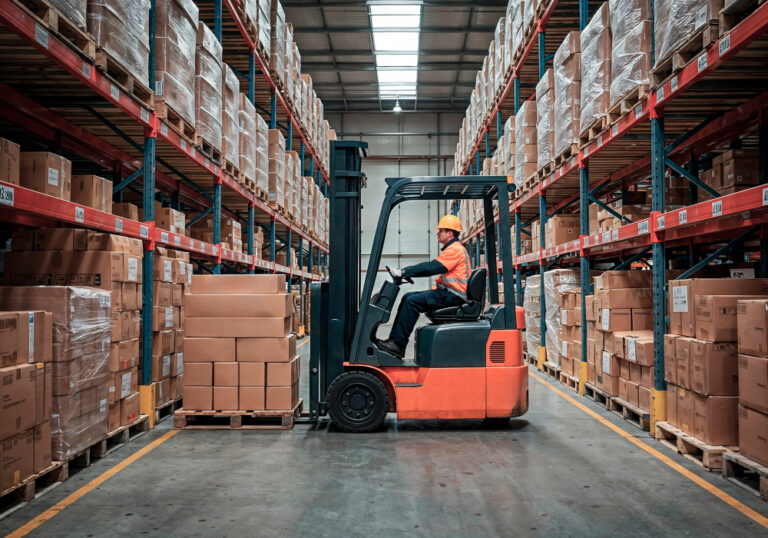
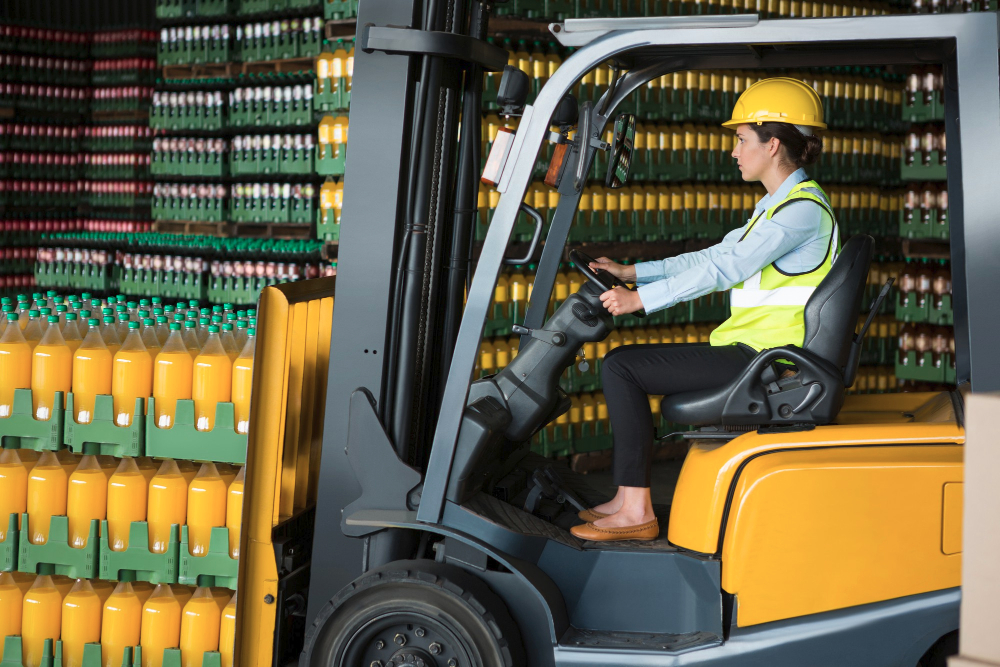
Forklifts support this movement by enabling goods to be transferred safely between storage areas, inspection zones, and outbound distribution points. When equipment performs reliably and is supported by regular servicing, warehouses can maintain steady workflows without unnecessary disruption. This reliability is essential in circular systems where delays can interrupt reuse or redistribution cycles.
Why Forklifts Matter in Circular Supply Chains
Forklifts play a direct role in supporting circular supply chains by enabling efficient movement without unnecessary handling steps. When goods are returned for reuse or repair, forklifts help transport them through assessment and storage areas quickly and safely. This reduces double handling and supports smoother transitions between each stage of the supply chain.
Durability also matters in circular systems. Equipment that is built to last and supported over time helps businesses avoid premature replacement and reduce waste associated with short equipment life cycles. Forklifts that remain operational for many years contribute to more stable planning and consistent material flow.
Planning for Forklifts for Sale in Long Term Supply Chain Strategies
When businesses review forklifts for sale, the focus often extends beyond immediate lifting requirements. In circular supply chains, equipment is expected to support long term use across changing workflows. Choosing forklifts that can adapt to redistribution, storage, and reuse tasks helps maintain operational flexibility as supply chain demands evolve.
Service support is also critical. Consistent access to parts, maintenance, and technical expertise helps extend the usable life of forklifts and supports uptime across circular operations. With the right planning, forklifts become long term assets that support both efficiency and responsible resource use.
Forklift Solutions That Support Circular Operations
Toyota Material Handling Australia provides a broad range of forklifts designed to support long term use, consistent handling, and reliable operation across warehouse environments. The models below reflect solutions that assist businesses in maintaining steady workflows while supporting circular supply chain practices.
1. Toyota 1.0 – 3.0 Tonne 8FBN 4-Wheel Battery Forklift
The Toyota 1.0 – 3.0 Tonne 8FBN 4-Wheel Battery Forklift supports warehouse operations that require reliable electric performance across indoor and outdoor environments. Designed for consistent handling and smooth movement, this model suits facilities aiming to improve sustainability while maintaining everyday productivity. Its configuration supports stable operation and operator comfort across long shifts.
- Load Capacity: 1,000kg – 3,000kg capacities for handling a wide range of goods.
- Application: Indoor and outdoor use across warehouse and yard environments.
- Performance: Comfortable for all day use to support extended shifts.
Best for: Warehouses requiring a versatile electric counterbalance forklift for mixed indoor and outdoor operations.
2. Toyota 1.0 – 2.0 Tonne 8FBE 3-Wheel Battery Forklift
The Toyota 1.0 – 2.0 Tonne 8FBE 3-Wheel Battery Forklift is designed for operations that require agile handling alongside efficient electric performance. Its 3-wheel configuration supports controlled movement in tighter spaces while remaining suitable for both indoor and outdoor use. This model supports smooth daily operation and operator comfort across continuous handling tasks.
- Load Capacity: 1,000kg – 2,000kg capacities for lighter handling requirements.
- Application: Indoor or outdoor use where manoeuvrability is important.
- Performance: Comfortable for all day use during repeated handling cycles.
Best for: Warehouses with tighter layouts that require agile electric forklift movement.
3. Toyota 3.5 Tonne 8FB 4-Wheel Battery Forklift
The Toyota 3.5 Tonne 8FB 4-Wheel Battery Forklift supports operations handling heavier loads while maintaining electric performance. Built for stable handling across indoor and outdoor environments, this model suits facilities seeking consistent lifting capability with zero operating emissions at the point of use.
- Load Capacity: 3,500kg capacity for heavier palletised loads.
- Application: Indoor and outdoor use across warehouse and dock areas.
- Performance: Comfortable for all day use during routine operations.
Best for: Warehouses requiring dependable electric performance for heavier loads.
4. Toyota 3.5 – 5.0 Tonne 8FBMT 4-Wheel Battery Forklift
The Toyota 3.5 – 5.0 Tonne 8FBMT 4-Wheel Battery Forklift is designed for more demanding material handling environments. Delivering heavy duty battery electric performance, this model supports higher capacity handling while remaining suitable for indoor and outdoor use across varied operational conditions.
- Load Capacity: 3,500kg – 5,000kg capacities for demanding handling tasks.
- Application: Indoor and outdoor use across heavier duty operations.
- Performance: Heavy duty battery electric performance for consistent handling.
Best for: Facilities managing higher load volumes with electric equipment.
5. Toyota 6.0 – 8.0 Tonne 9FBMT 4-Wheel Battery Forklift
The Toyota 6.0 – 8.0 Tonne 9FBMT 4-Wheel Battery Forklift supports large scale operations that require high capacity electric handling. Designed to deliver heavy duty battery electric performance, this model suits facilities transitioning heavier lifting tasks to electric solutions.
- Load Capacity: 6,000kg – 8,000kg capacities for high capacity handling.
- Application: Indoor and outdoor use across large operational sites.
- Performance: Heavy duty battery electric performance for demanding workloads.
Best for: Operations requiring high capacity electric forklifts for large loads.
6. Toyota 2.0 – 3.2 Tonne 8FBCU Cushion Tyre Battery Forklift
The Toyota 2.0 – 3.2 Tonne 8FBCU Cushion Tyre Battery Forklift is designed specifically for indoor warehouse environments. Its cushion tyre configuration supports smooth movement across warehouse floors, while electric operation helps maintain clean indoor air conditions.
- Load Capacity: 2,000kg – 3,200kg capacity for indoor handling tasks.
- Application: Indoor use across warehouse floor operations.
- Performance: Comfortable for all day use during continuous indoor work.
Best for: Indoor warehouses prioritising electric operation and operator comfort.
7. Toyota 4000 Series Standup Counter-Balance Forklifts
The Toyota 4000 Series Standup Counter-Balance Forklifts support indoor operations where efficient movement and visibility are important. Designed for standup operation, these forklifts suit facilities managing frequent short distance movements and repeated handling cycles.
- Load Capacity: 1,364kg – 2,272kg capacity for indoor handling needs.
- Application: Indoor use across warehouse environments.
- Performance: Comfortable for all day use in standup operation.
Best for: Indoor warehouses requiring agile standup electric counterbalance forklifts.
Key Considerations When Choosing Forklifts for Sale
Choosing the right forklifts for sale requires a clear understanding of how your supply chain operates today and how it may evolve over time.
- Operational durability
Forklifts should support repeated use across redistribution, storage, and return workflows. - Service and support availability
Nationwide access to parts and service helps maintain uptime and extend equipment life. - Adaptability to changing workflows
Equipment that supports varied handling tasks provides flexibility within circular systems. - Safety and reliability
Predictable performance supports safer operation in busy warehouse environments. - Long term asset value
Forklifts designed for longevity help reduce replacement cycles and unnecessary waste.
Conclusion: Supporting Circular Supply Chains Through Smarter Equipment Choices
Circular supply chains depend on reliable systems that keep materials moving efficiently over time. Forklifts play a central role in supporting reuse, redistribution, and consistent handling across warehouse operations. When equipment is selected with durability, service support, and long term use in mind, businesses can strengthen both operational performance and resource efficiency.Ready to explore forklifts for sale that support circular supply chain strategies? Visit Toyota Material Handling Australia to learn how our forklift range and nationwide support network can assist your business. Contact our team today to discuss solutions designed to support efficient and long term warehouse operations.
About the Author