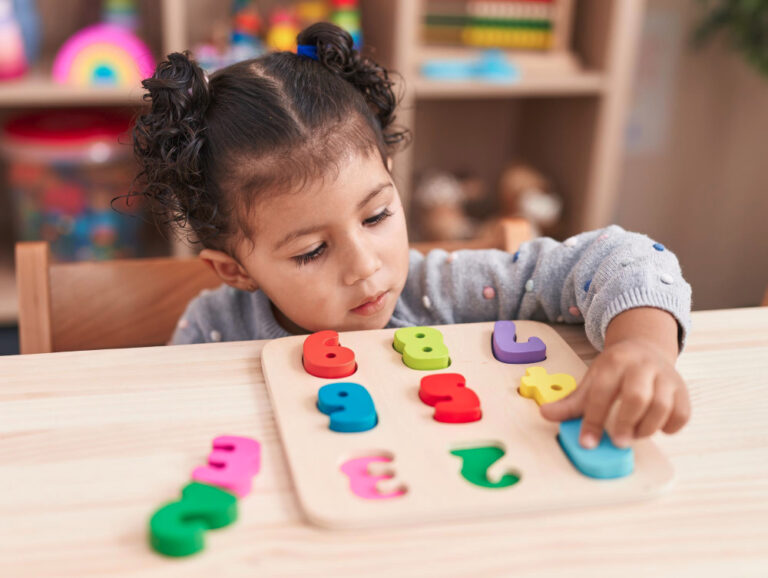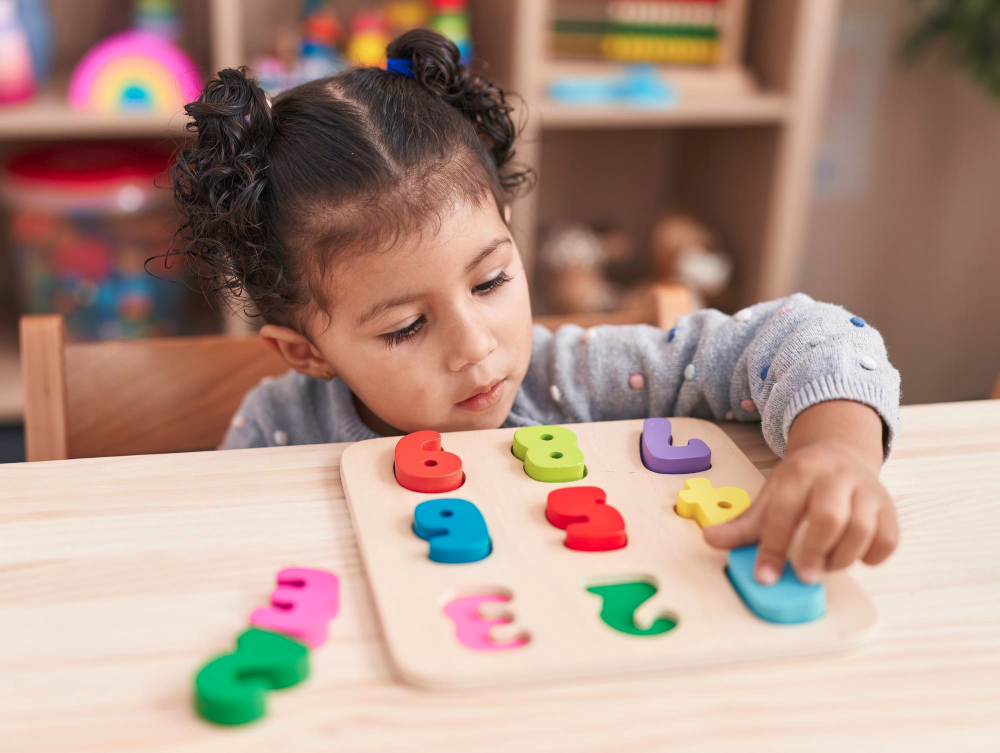
Speech therapy for kids is paediatric support delivered by a qualified speech pathologist to help children develop clearer speech, stronger language skills, more confident social communication, and — where needed — safer feeding and swallowing. It is recommended when a child is not meeting age-appropriate communication milestones, when others struggle to understand them, or when communication difficulties are affecting their confidence at home, in childcare, or at school.
If you’re reading this because something feels off, that instinct matters. Parents are often the first to notice when a child’s speech or language isn’t developing as expected, and early support consistently leads to better outcomes.
When does a child need speech therapy?
Speech and language develop on a fairly predictable timeline. While every child is different, there are widely accepted milestones that help identify when extra support might be useful.
Signs that suggest a speech pathology assessment is worth booking include:
- By 12 months: not babbling, not responding to their name, no use of gestures like pointing or waving.
- By 2 years: fewer than 50 words, not combining two words (e.g., “more milk”), or being very difficult for family to understand.
- By 3 years: speech is unclear to people outside the family more than half the time, or sentences are very short and limited.
- By 4 years: persistent difficulty with sounds, stuttering that is causing frustration, or trouble following simple instructions.
- Any age: regression in skills, ongoing feeding difficulties, or a child who is becoming frustrated or withdrawn around communication.
If any of these resonate, a single assessment session can clarify whether your child is developing typically with normal variation, or whether structured support would help.
What does paediatric speech therapy actually treat?
Speech pathology is broader than most parents expect. A speech pathologist supports children across several distinct areas:
Speech sound development
This includes articulation difficulties (forming individual sounds correctly) and phonological disorders (patterns of sound errors). When a child’s speech is hard to understand even within the family, a structured speech sound program is usually involved. We cover this in detail in our guide on unclear speech in children.
Language development
Receptive language (understanding) and expressive language (using words and sentences) are foundational for learning. Therapy targets vocabulary, grammar, sentence building, and following instructions.
Stuttering and fluency
Repetitions, prolongations, and blocks in speech are often best addressed in early childhood, where evidence-based programs have strong outcomes. Read more about stuttering therapy for children.
Motor speech difficulties
Some children have difficulty planning the movements needed for speech — a condition called Childhood Apraxia of Speech (CAS). It looks similar to a delay but needs a very specific therapy approach. See our overview of apraxia speech therapy for more detail.
Social communication
Conversational turn-taking, understanding non-literal language, reading social cues, and confidence in group settings — all common goals, particularly for neurodivergent children.
Feeding and swallowing
Speech pathologists also support children with fussy eating, oral-motor difficulties, or safety concerns around swallowing.
What happens in a session?
A first appointment is typically an assessment. The speech pathologist will gather a history from you, observe your child, and use a mix of standardised tests and play-based tasks to understand how your child communicates and where the gaps are. You’ll usually walk away with a clear picture of what is going on and a recommended plan.
Ongoing sessions for younger children almost always look like play. Therapy is targeted, but it’s wrapped in games, books, toys, and activities that keep the child engaged. For school-aged children, sessions might involve more structured tasks, conversation practice, or homework that gets carried into the classroom.
Most children attend weekly or fortnightly. The total length of therapy depends entirely on the goal — some children need a short course of 8–12 sessions, while children with more complex needs may benefit from longer-term, intermittent support.
Funding options in Australia
Cost is a real concern for most families, and there are several pathways that can reduce the out-of-pocket expense:
- NDIS — children with eligible disabilities can access funded speech pathology under the Early Childhood Approach (under 9) or a standard NDIS plan.
- Medicare Chronic Disease Management (CDM) plan — your GP can refer for up to 5 subsidised allied health sessions per year.
- Private health insurance — most extras policies include a speech pathology rebate; the amount varies by fund and level of cover.
- Better Start and similar programs — for eligible developmental conditions.
A reputable clinic will help you understand what you’re entitled to and provide the documentation needed for claims.
How parents can support therapy at home
Therapy works best when it’s extended into everyday life. The therapist runs the program, but progress accelerates when the strategies become part of normal family interaction.
- Follow your child’s lead — comment on what they are interested in rather than directing the play.
- Slow your own speech and use slightly shorter sentences, especially during target practice.
- Read together every day — books are one of the most powerful language tools available.
- Practise short, frequent bursts (5 minutes, 3 times a day) rather than one long session.
- Avoid making your child feel “tested” — pressure tends to slow progress.
Frequently asked questions
At what age should a child start speech therapy?
There is no minimum age. If you have concerns at 18 months, a speech pathologist can absolutely see you. Early intervention is well supported by research, and waiting to “see if they grow out of it” can sometimes mean missing the window where therapy progresses fastest.
How long does speech therapy take to show results?
Many families notice changes within 6–8 sessions, particularly in younger children with focused goals. More complex profiles take longer, and progress is usually steady rather than dramatic.
Will my child grow out of it?
Some mild delays do resolve naturally, but it’s impossible to know which without an assessment. The cost of a single appointment to find out is usually far lower than the cost of waiting and being wrong.
Do I need a GP referral?
Not for private speech pathology. A referral is only required if you are accessing Medicare CDM rebates.
How do I get started?
Booking an initial assessment is the simplest first step. You can learn more about our approach and book through the Sydney Speech Therapy homepage.
About the Author